
Nope, not everyone needs to wear one while doing burpees.
I’m kidding… NO ONE needs to do burpees, ever. Stop immediately.
Ok kids, I am going to say this loud: NOT EVERYONE NEEDS TO BE WEARING A WEIGHT VEST. A lot of the longevity (hey, Peter Attia) and women’s health docs (what’s up, Mary Claire Haver) have plastered weight vests, and ‘rucking’, all over social media. They wear them all the time. You probably do not need to.
The marketing pitch has been impressive: It has been sold as the one item you need to increase bone mass, burn more calories, increase your Vo2 Max, and alter your body composition; especially for women:
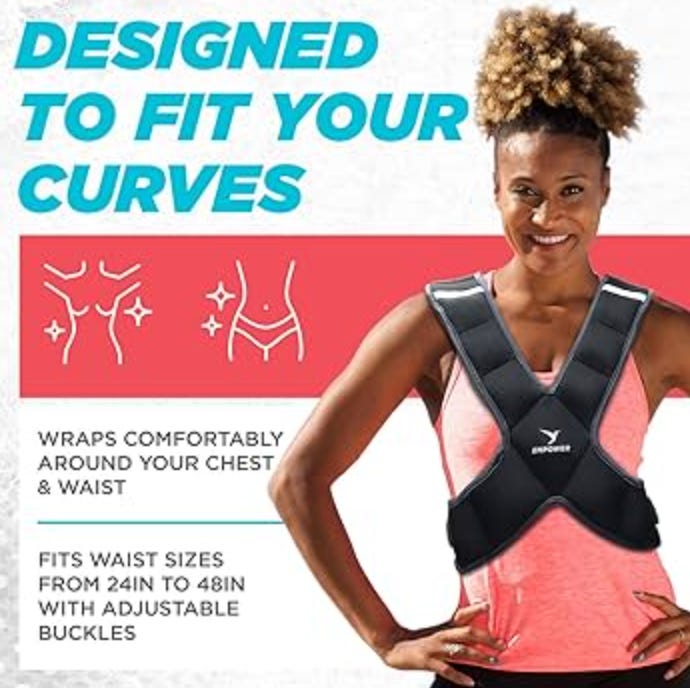
Yes, weighted vests have a place. No, it is NOT during intense/impact exercise. They absolutely can help increase bone density and burn calories. However, they must be used correctly and only by people that actually need extra weight. So, who needs to incorporate it?
Side note: this is not a conversation or statement in ‘ideal body types’ or ‘body shaming’. It is simply information on who should/should not wear a weight vest. If you are easily offended, this is probably not the substack for you.
Who Should Wear A Vest
You SHOULD if:
- You are petite or small-boned, with no extra weight (tall people can fall into this category as well)
- You are under-weight
- Examples: The Olsen Twins, Timothee Chalamet, Michelle Yeoh

- This group will see the most benefit from using a vest during low-intensity walking. You can build up to 45-60min.
You CAN if:
- You are average weight for your height/bone structure
- You carry less than 10-15 extra pounds of body weight
- Examples: Damson Idris, Jessica Chastain, Meryl Streep

- This group actually carries enough body weight that a vest is not needed. If adding it in, you can build up to no more than 30-min during a low-intensity walk
You SHOULD NOT if:
- You carry more than 15 extra pounds of body weight
- Examples: Lizzo, Russell Crowe, Ashley Graham

- This group carries extra body weight so a vest is never needed. The additional weight of a vest will do nothing except increase already-stressed joints.
How To Use A Vest (without injury)
Those in the ‘should’ and ‘can’ groups need to incorporate a weight vest slowly. If you throw a vest on and go hike for 2 hours you are pretty much asking for: at best achy knees, back, and ankles…at worst, an actual injury to one of those areas.
Start with 5 minutes. Then increase by 5 minutes every couple of weeks until you are in the 30-45 minute range depending on which group you fall into. You should ONLY wear a vest when doing low-impact activity, ie: walking. You can work up to wearing it 3-4 times per week.
What Vest Do I Wear
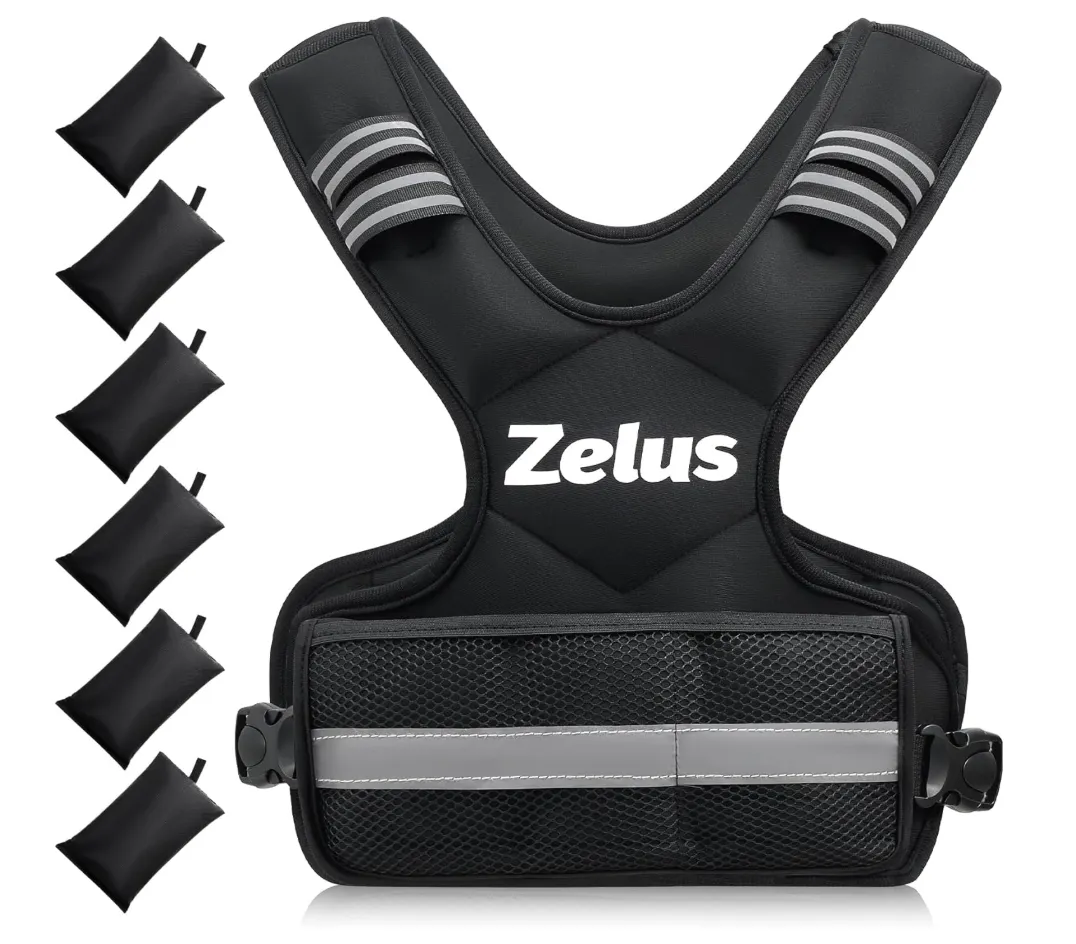
Most importantly, you want a vest that you can add/remove weight and it should never be heavier than 10 pounds:
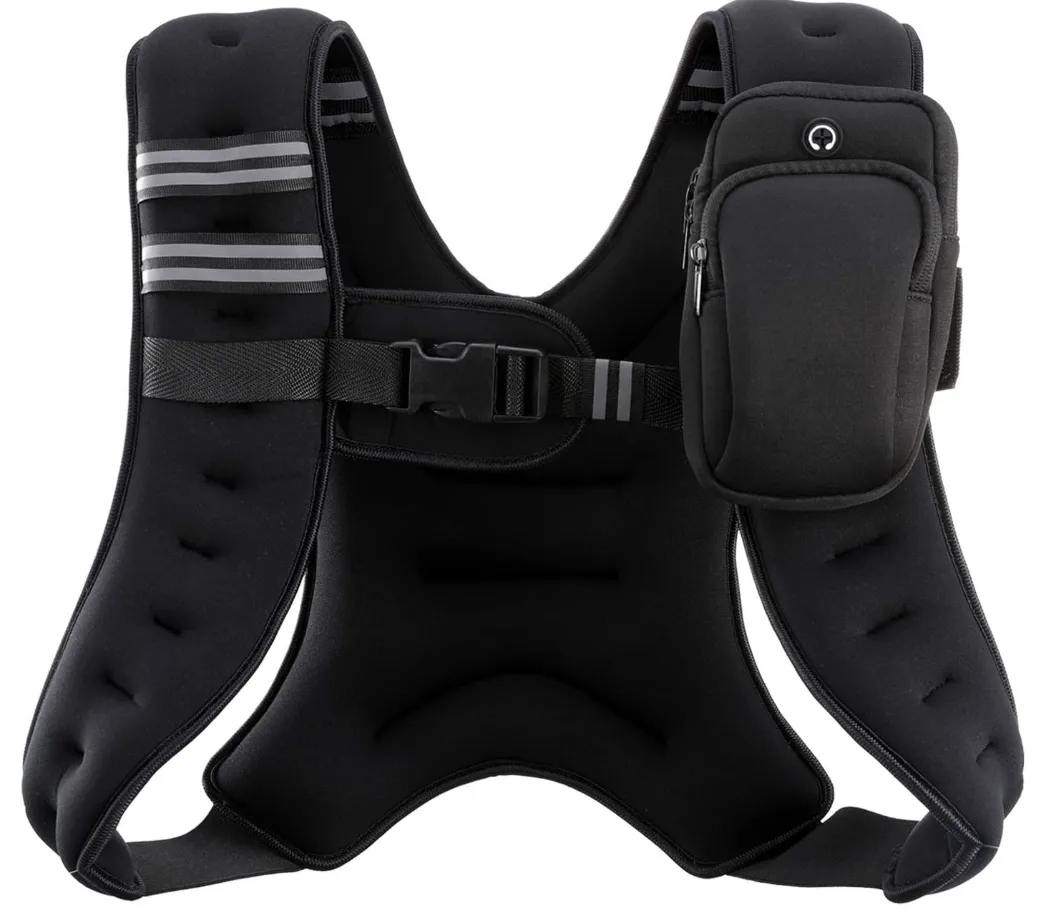
Another style that can be more comfortable for some but is not adjustable, so stay in the 6-8lb range:
What You Should Never Do
You should not do any kind of impact activity in a weighted vest. You are asking for an injury. Take your pick…
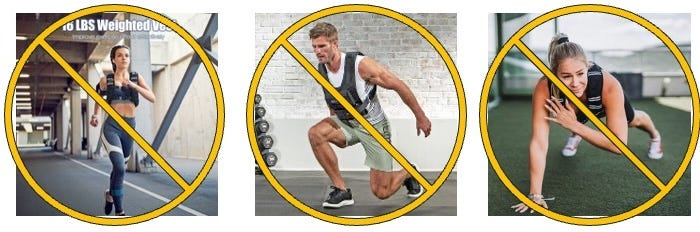
And NEVER wear a weighted vest if:
- You’ve had a herniated disc or damage to any of your vertebrae
- You have thoracic outlet syndrome
- You have nerve pain that radiates down your arm
- You’ve had frozen shoulder (more common in women)
Live Long. Live Well.
:o) mcd