If you don't believe us, believe Paul Rudd.
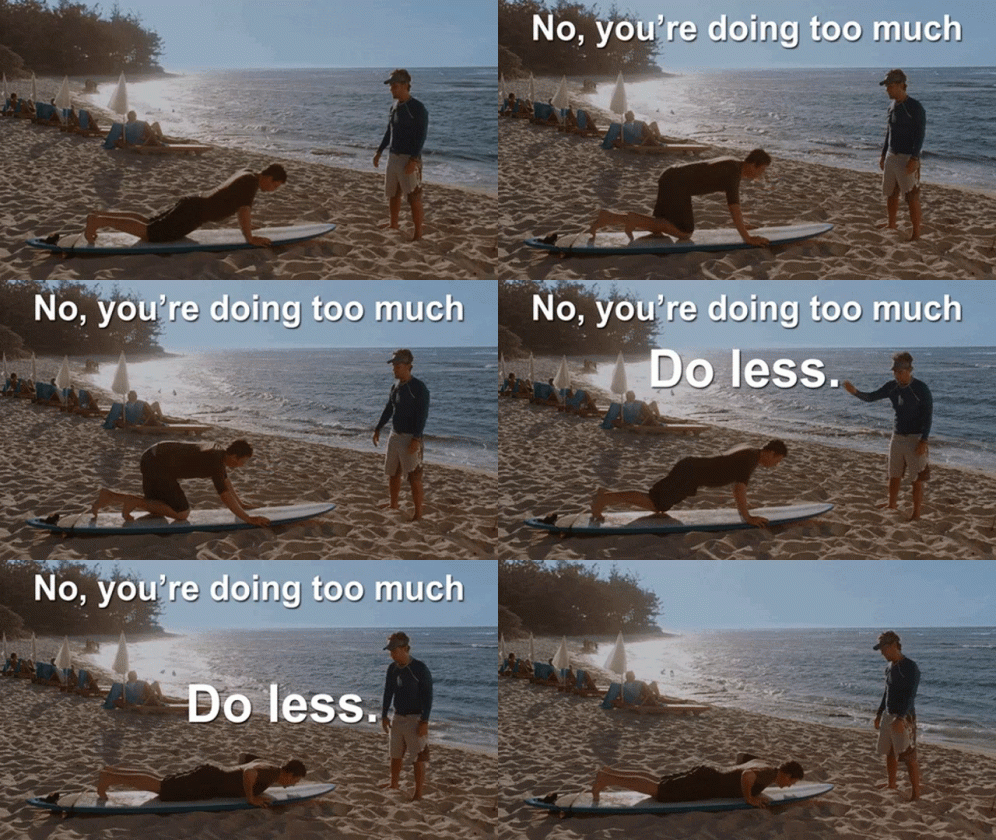
Rachel Feintzeig recently wrote an astute article in The New York Times, Exercising Is The Worst, and she is not wrong. We are currently living in the ‘optimization obsessed’, data-overload, biohacking-bullshit world of exercise and longevity. It’s too much. My favorite line from Feintzeig’s article: “I did get a fitness watch, which I suspect might be gaslighting me.” says it all. Brilliant!
Hopefully by now you get us (if you don’t, go read Peter Attia’s blog). We do not believe in the ‘longevity culture’ that currently exists. Not only is it expensive and time consuming, it is enough to make make everyone crazy [no one should feel gaslighted by their fitness watch, I mean WTF]. It is also not actually supporting longevity, not applicable to most people’s busy daily lives, beating up bodies and joints, and truly not necessary (go watch the Blue Zones documentary, count how many wearables, data-tracking, and weight vests you see. It’s a trick question; there are none. Zero.).
A cardiologist I greatly admire asked us the other day “Why 18-20 minute workouts? That’s really counter to what the AHA recommends”. There are many answers; one of which is the AHA’s data is old and wrong. One of the most important answers is compliance. If it is too long, too complicated, or too challenging (‘that’s what she said’…I’m sorry, I couldn’t not), very few people are going to comply. You may commit to an extreme exercise routine for 6-8 weeks but then the drive fades. Why? BECAUSE IT’S TOO MUCH. Or, by then you have an injury…
Compliance
I know this sounds simple. It’s not. Longevity is a long game. It is the small habits you do, everyday, that move the needle and mean that as you age you don’t have to give shit up. That’s really the goal, right? Yes we want to be thinner, fitter, stronger, faster…fill in the blank. But, at the end of the day true longevity means you get to live the life you have built for a long time, and live it well. So, we need ‘exercise’ to be something obtainable on a near daily basis. You can read how to do that in our HI:LO Training article. You can also add in your own forms of ‘exercise’: walking with a friend, hiking with the dog, gardening, dancing. Even extreme exercise counts: pickle ball, skiing, mountain biking, golfing…you just have to do it in the correct amount (spoiler: it’s a small amount!) and, for the love of God, warm-up before you do it.

I know this sounds like crap and is counter to everything we have been/are being told. But, welcome to the counterculture. And here’s the thing: you will get better results, have far less injuries, and not beat on an already stressed body if you DO LESS. Which means you get to keep doing the things you want to do, for a long time. We do this daily for ourselves and with clients at our clinic. It works!
Joint Points
You only get so many, so use them wisely. When you use all your joint points, that’s it: injury or replacement. Muscles and tendons will grow and repair; joints do not.
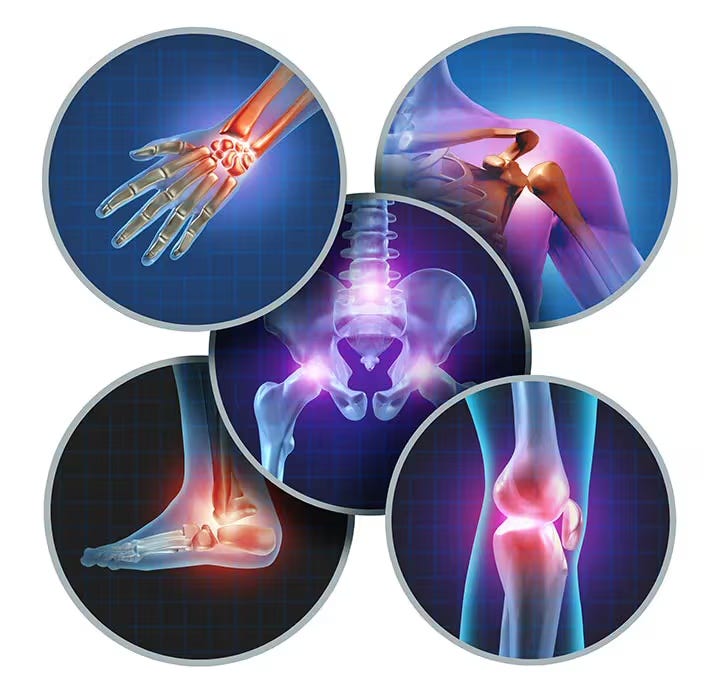
So how do you spread your points out across a lifetime so you are not injured and replacing joints? You already know the answer you just won’t accept it yet: do less.
That is really why we preach the exercise program we do. Life is already creating stress on your body: work, kids, chores, yard, friends, family, on and on. You can not, please hear me, can not continually over-stress your body during exercise when it is under stress all day. At some point it will break. That point is different for everyone but it comes for us all. Doing less, and doing it efficiently and effectively, is the only way to escape the break point and continuing to do the things we want to do; participating in the life we have built.
Side note: if you are a ‘stay at home son/daughter‘ [an actual distinction on IG so I’ve been told], what ever the hell that means, and have no responsibilities/stress what so ever, by all means overtrain. You should probably do something stressful at least once a day.
Wearables
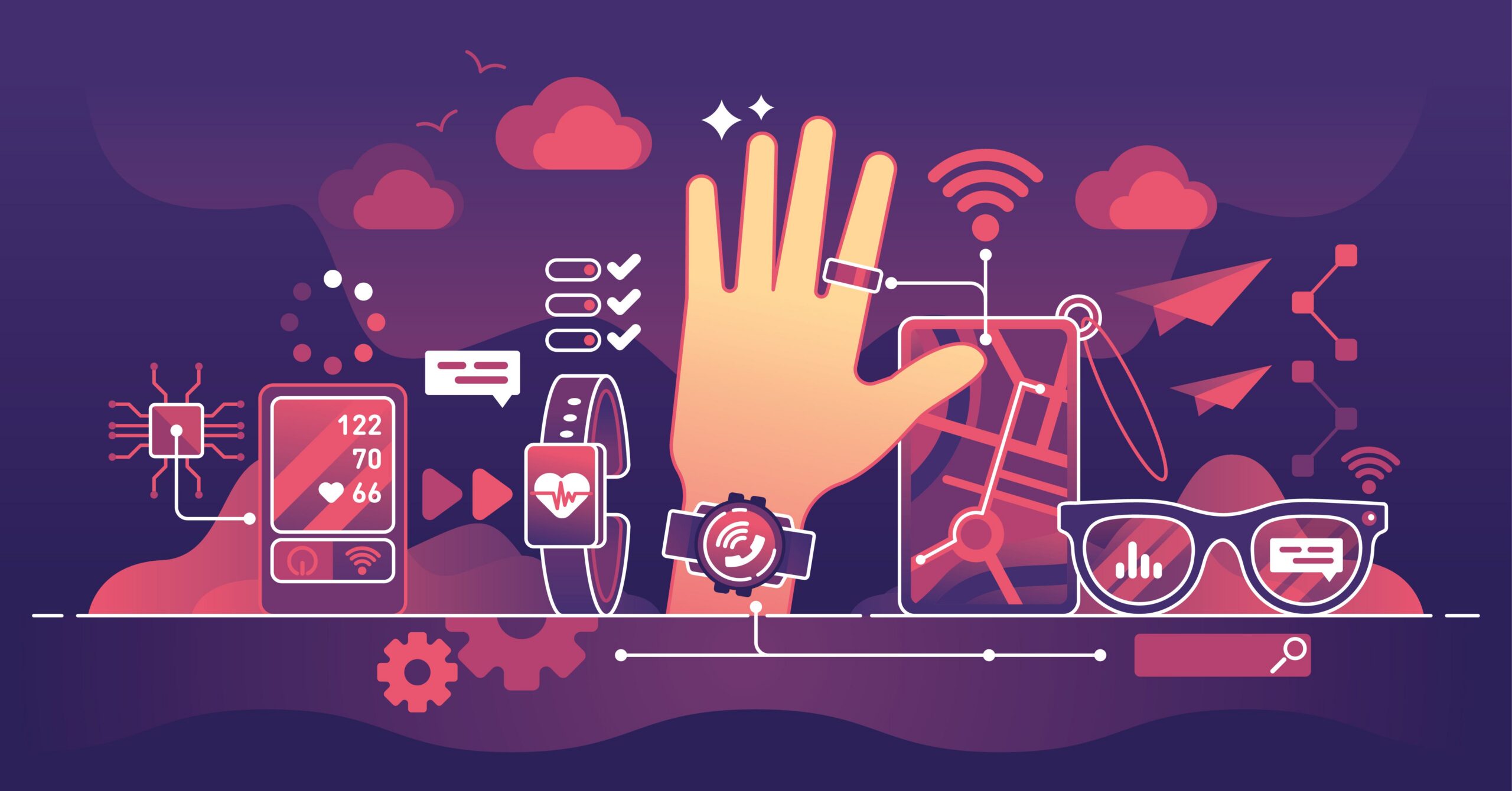
Ugh, I’m not sure where to start. Yes, wearables can be interesting. For some people they can be motivating. For most people, it is a whole lot of data that becomes un-motivating, too depressing, too ‘analysis paralysis’. We have had clients come in with binders, yes binders, of data – they are beyond help ;o). Here’s the thing: all that data does not change the exercise/diet prescription.
No amount of data, or bio-hacking, gets you out of having to do the daily habits that actually create longevity. NONE OF IT. We have heard all the arguments, so save it. We have clients that do a Vo2 Max Test and DEXA Scan every 6 months and do nothing in between. This is not longevity, folks. Skip the tests and data, do the daily work. There is no cheating in longevity.
Yes, if you are type A and love a good graph*, by all means look at some data. If seeing your completed workout data get’s you off, knock yourself out. But, if you are like most people and rarely look at the data, don’t let it ruin your life. If the data depresses you…stop fucking wearing it.
*God help you if you are also married to someone who is Type A. You wouldn’t believe the number of graphs I have had to look at during our 25 years of marriage!!
Instead, go for walk. Do a HI:LO workout. Have dinner with a friend, and a glass of wine. Play with the dog or your kids. Hug someone. Have sex. Ditch the data. Do the things that create longevity and a life worth living. Do less.
Live Long. Live Well.
:o) mcd