
Some specifics on HRT questions to ask and supplements to take
I am thrilled that women’s health is getting so much attention. It is long overdue! But, with that attention is an avalanche of incorrect info: empty promises from supplement companies trying to take advantage of the movement, “experts” on all things diet and exercise related, quick fixes on social media, and the list goes on.
As an exercise physiologist, I have worked with women in this age group for over 15 years and am currently in peri-menopause (or possibly post-menopause following my hysterectomy last year). The following guidance is based on my rigorous study and personal experience.
Hormone Replacement Therapy
It is important to do some research on HRT before you see a doctor so you can ask the correct questions. A doctor will most likely, and should, order blood work to check some important markers.
A couple of the big markers that show beginning stages of peri-menopause are slightly elevated LDL (compared to your previous bloodwork) and high FSH. Testing hormones is nearly impossible and you can have seemingly ‘in-range’ numbers and still have many of the symptoms of peri-menopause. So push back! If your doctor tells you everything is ‘in-range’, discuss your symptoms with them and advocate for yourself.
There are several great interviews that we have referenced before that can give you all the info and questions you need. Rachel Rubin and Mary Claire Haver both give over 2+ hours worth of info in the interviews linked. Take notes!
Supplements
Ugh, supplements. They can be beyond helpful but I believe are very over prescribed. If your doctor wants you to take more than 3-4 supplements, tell them no. All of the functional medicine/women’s health doctors I have seen have tried to give me 6+ supplements to take on a daily basis. At one point, this would have been over 24 pills a day! This is an extreme load on your liver, an organ that is already taxed with detoxification during peri-post menopause.
This doesn’t mean that we don’t want to try supplements that could possibly help, and several are worth asking your doctor about. Or, if you like to live on the edge like I do, just give them a try. None are dangerous and only one can interfere with thyroid meds (mentioned below).
Vitamin D
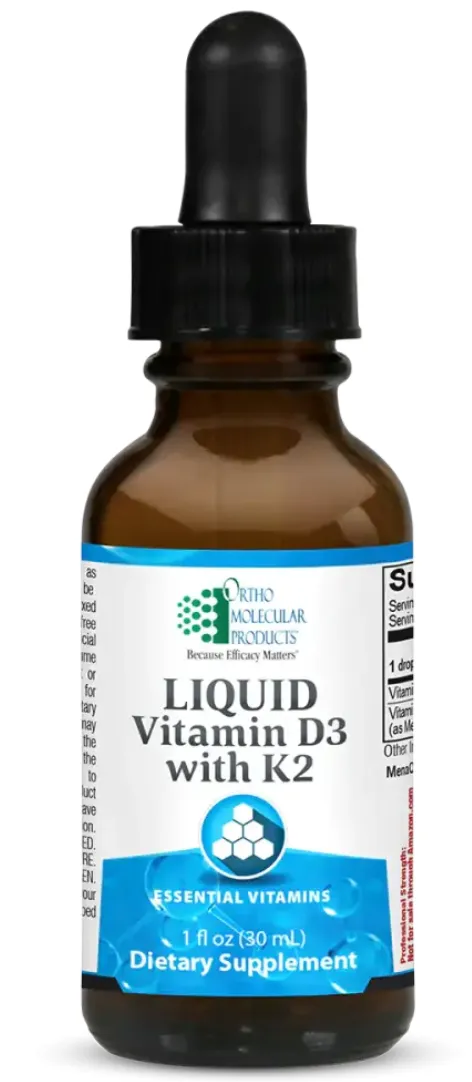
We’ve all heard it and almost everyone is deficient in Vit D. Even if you spend time outside, you probably need to supplement as well. Vit D is necessary for the creation of sex hormones, so in a time when yours are dropping you need all the support you can get. You need a Vit D supplement that also contains K2, and liquid is more easily absorbed. I use Ortho Molecular’s and Thorne makes a great one as well.
Magnesium
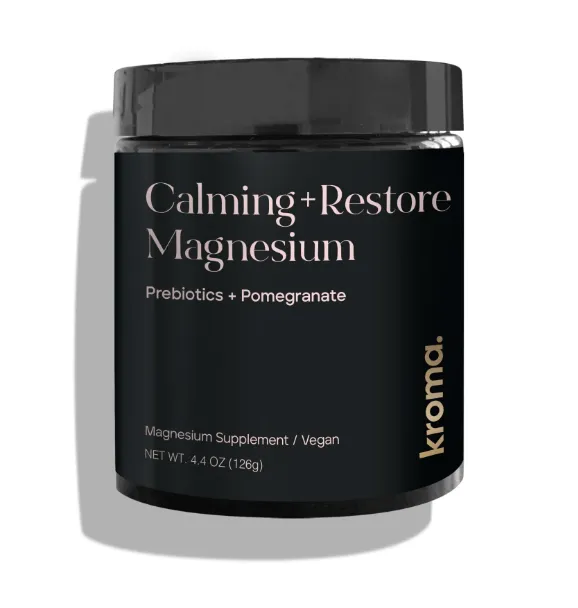
Much like Vit D, most people are deficient in magnesium. Magnesium regulates nerves, calms muscles, protects bone structure, helps with energy production, helps melatonin production and sleep, and can help with slow digestion. If you struggle with slow digestion/constipation, you need to take Magnesium Citrate. You can take up to 600mg a day to help with constipation. If your digestion is normal or you have bouts of diarrhea, you need to take Magnesium Glycinate.
A solid magnesium product I’ve found is Kroma Calm & Restore. It has 3 types of magnesium in it as well as L-theanine (which calms the nervous system and helps with sleep). It also contains some prebiotics and Jerusalem artichoke to help with digestion. Taking this before bed, I have noticed a huge difference in my ability to fall back asleep if I wake up in the middle of the night. Just be sure to adjust your other magnesium dose to account for the 310mg in each serving.
Ashwagandha
Ashwagandha is an adaptogen, meaning your body takes it and ‘adapts’ it to use as needed. It can be very helpful for anxiety, hyped-up nervous systems, and hot flashes. I started taking ashwagandha not long after my first few hot flashes and I have not had one since! I continue taking it even on HRT. I’ve recommended ashwagandha to many clients over the years, and I’ve found it to work for about 60% of them. Some take it, and like me, it stops the hot flashes almost immediately. Others notice no improvement. Give it a try! Women that have thyroid issues and/or are on thyroid medications should NOT take ashwagandha as it can interfere with the medication.

Methylated B Vitamins
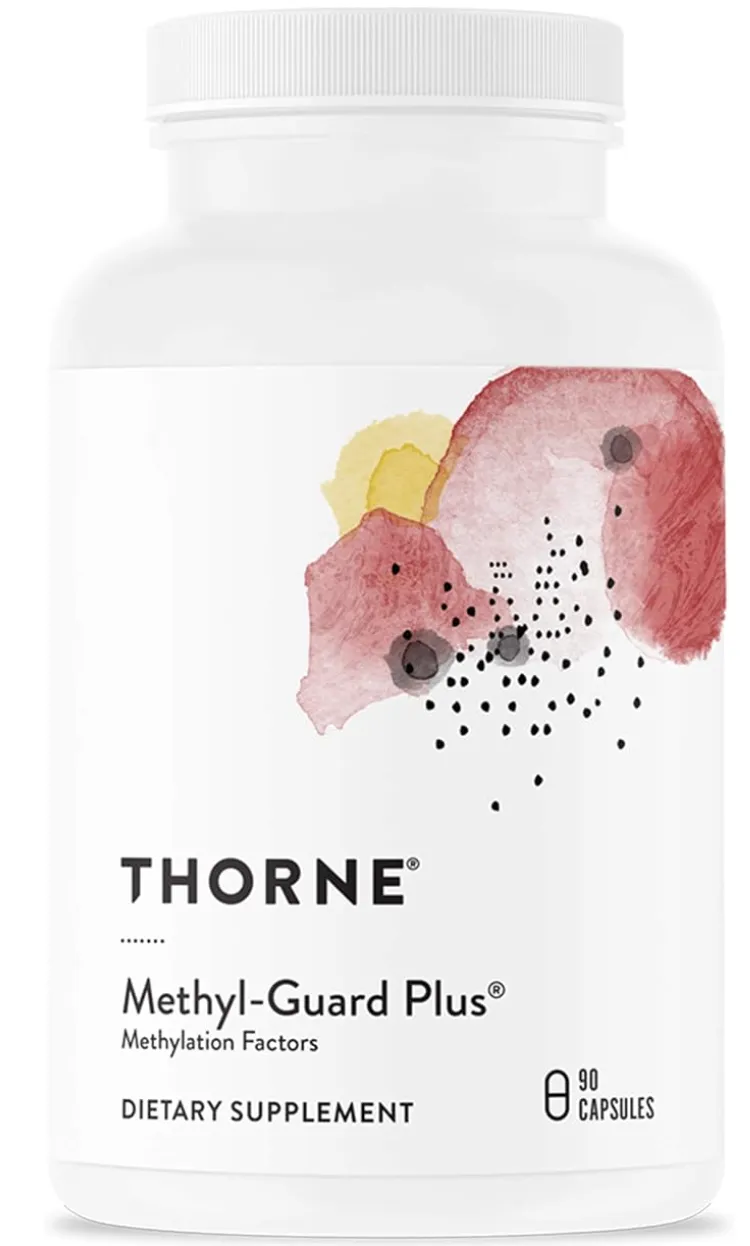
B vitamins can get tricky. This is one of those supplements I always see recommended. First, you should absolutely ask to have your levels tested before you introduce B vitamins. It is also not a bad idea to do a genetic test (I really like the 3×4 Genetics test for its clear results and recommendations) to see if you methylate. If you don’t, you will benefit from always taking methylated B Vitamins. If you do methylate, you do not need to take them but instead need help figuring out why you are not absorbing them correctly. Hint: declining hormones effects your ability to absorb B vitamins. If you find you do not methylate or need to replace B vitamins until you can determine why you are not absorbing them, Thorne makes a great methylated B complex.
Note: some people can not take B vitamins orally (I am one of them). You can experience side effects like GI distress, rashes, and dermatitis. If you are one of those people, there are topical creams that you can try instead. I use one by Neuro Biologix.
Remember…
I know, trying to remember things with no estrogen is practically impossible!!! So here ya go:
- The standard of care for HRT is: topical (patch, cream, gel) estrogen, oral or topical micronized progesterone, topical (cream/gel) testosterone. If your doctor tells you no or that your hormones levels do not show that you are in a place to start HRT, find another doctor! You can search menopause.org and isswsh.org to find providers in your area.
- Some of the supplements your doctor may suggest for things like cortisol management, high LDL, and sleep can and should be managed with HRT. We are coming out of a period of time where women were put on several drugs and prescriptions to combat symptoms of peri-post menopause when all we really need is proper hormone replacement.
*as always, there are no affiliations or sponsors in this post
:o) mcd